Skip to content

Blog

Science you're curious about

Why is a rainbow curved? Why does a magnet stick to the fridge but not to wood? Short, sourced, clear articles.

  • Astronomy

    What is a light-year? A unit of distance with "year" in its name

    A light-year is not a length of time but a unit of distance: the path light covers in a year, about 9.46 trillion kilometres. We work the sum out step by step, show when the light of the Sun and Sirius set off, and explain why looking at the sky means looking into the past.

    5 min read
  • Kitchen Science

    How do you make yoghurt at home? The science of lactic acid bacteria

    A spoonful of yoghurt can turn a whole pan of milk into yoghurt overnight. We explain how two kinds of bacteria turn lactose into lactic acid, why the milk sets, why temperature matters so much, and the hygiene rules for homemade yoghurt.

    8 min read

  • History of Science

    Al-Jazari and the Elephant Clock: engineering in the Middle Ages

    A book completed in Diyarbakir in 1206 describes fifty devices, complete with measurements and drawings. We open up al-Jazari's Elephant Clock step by step, weigh up the 'first robot' claim, and show how medieval engineering drew on Indian, Greek and Baghdad traditions.

    8 min read

  • Nature and Farming

    What lives in a handful of soil? Earthworms, microbes and fungal networks

    A handful of garden soil holds more bacteria than there are people on Earth, metres upon metres of fungal threads and hundreds of tiny animals. We meet the crowd that makes soil alive, look at Darwin's earthworms and explain how to make compost safely at home.

    8 min read

  • Kitchen Science

    Why does a pressure cooker cook so fast? Boiling point and pressure

    Why do chickpeas cook so much faster in a pressure cooker? We explain how the boiling point depends on pressure, why water in high-altitude Erzurum does not boil at 100 °C, and the physics behind the rules for using a pressure cooker safely.

    9 min read

  • History of Science

    The Piri Reis map: facts and legends

    Drawn on gazelle skin in Gallipoli in 1513 and spotted in Istanbul's Topkapi Palace in 1929, this map preserves traces of a lost map by Columbus. The claim that it shows Antarctica free of ice, however, is a legend. Using the map's own source notes, we look at what it really tells us.

    8 min read

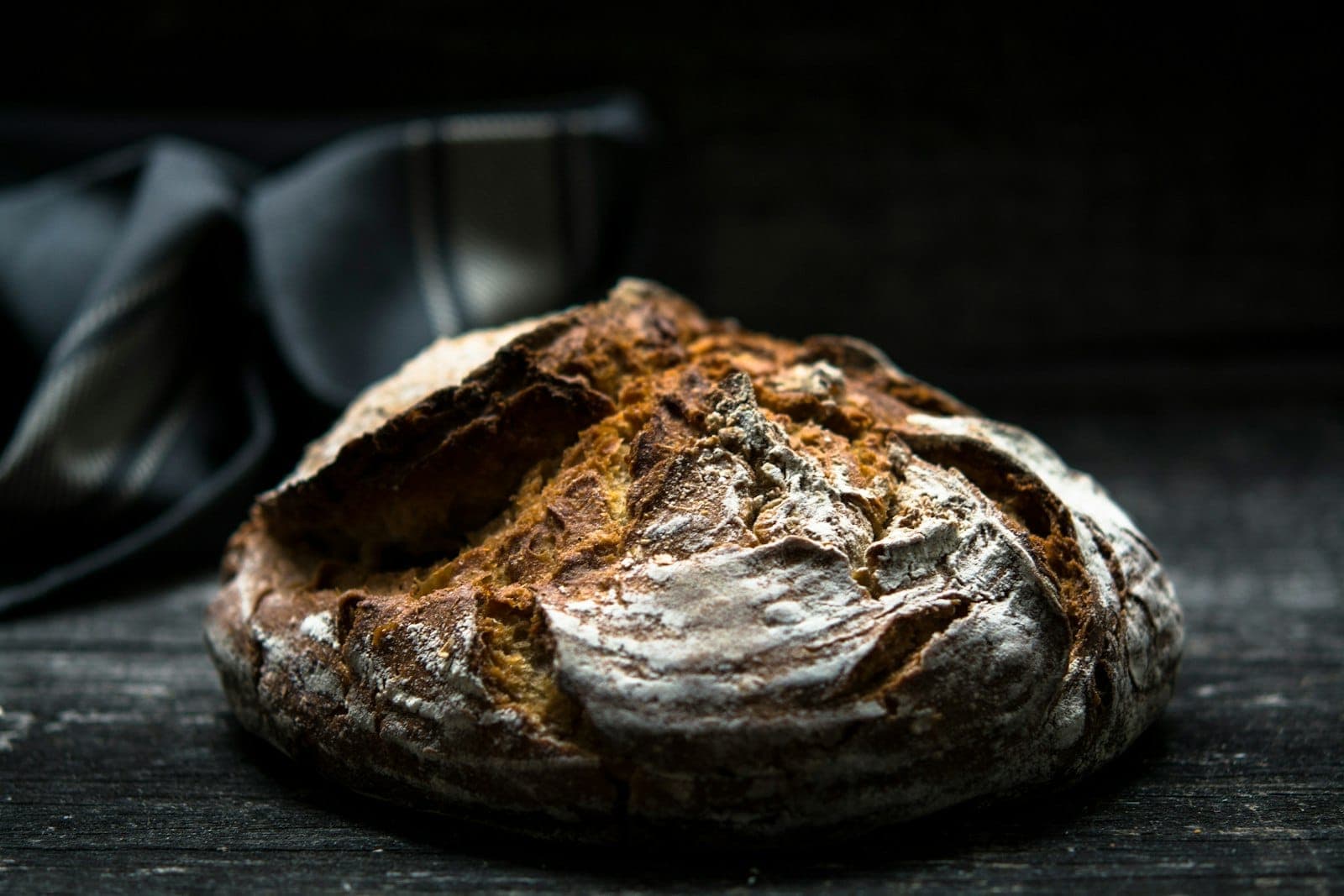
  • A floured sourdough loaf with a browned crust on a dark background
    Science and Culture

    What is the Maillard reaction? Why bread crust and Turkish simit turn brown

    The crust of fresh bread, roasted coffee, fried köfte (Turkish meatballs)... Behind all their wonderful smells lies the same chemical process: the Maillard reaction. We explain this kitchen chemistry, how it differs from caramelisation, and some common misconceptions.

    7 min read