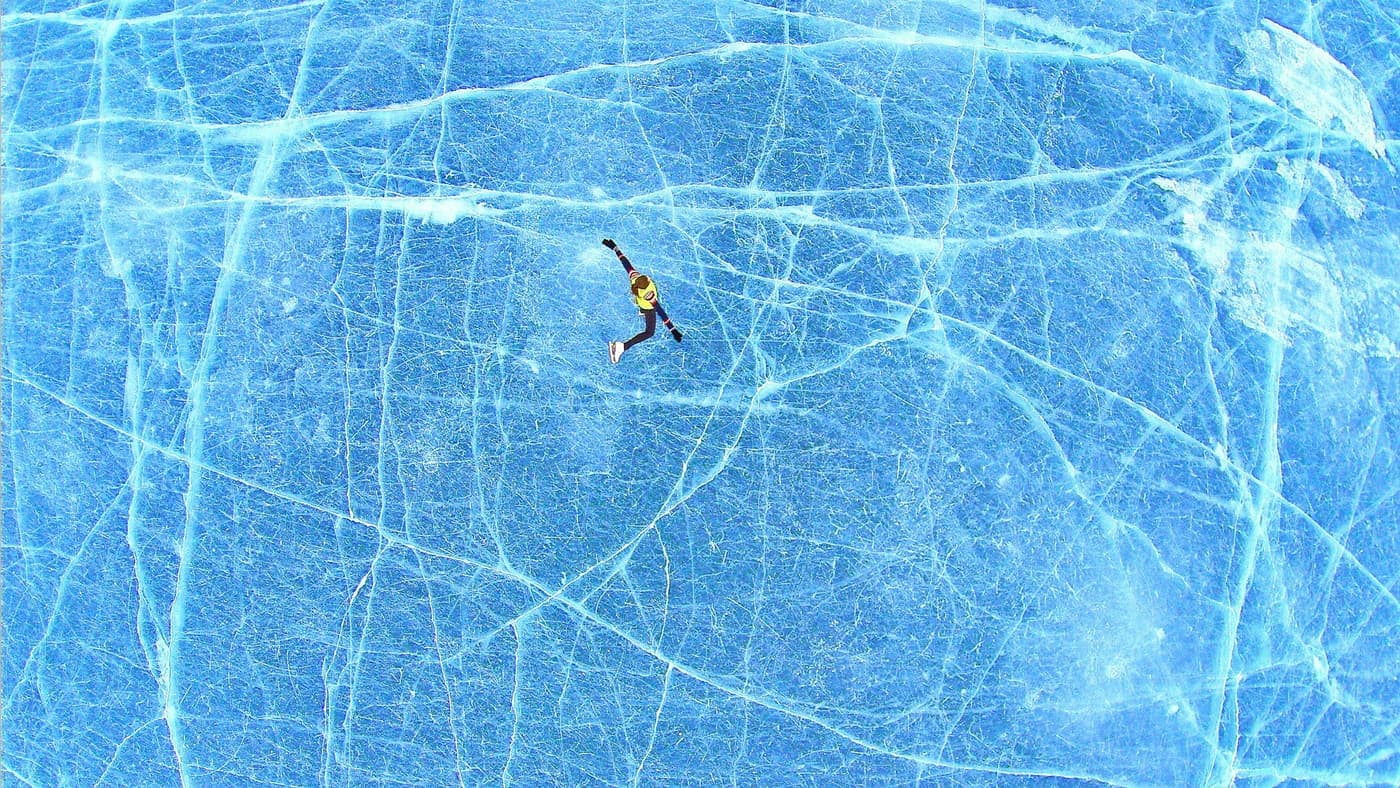
Why do we slip on ice?
- 4 steps
- 1 h 6 min
- 7 simulations
Journey · Electricity
From battery to bulb: the story of a closed path
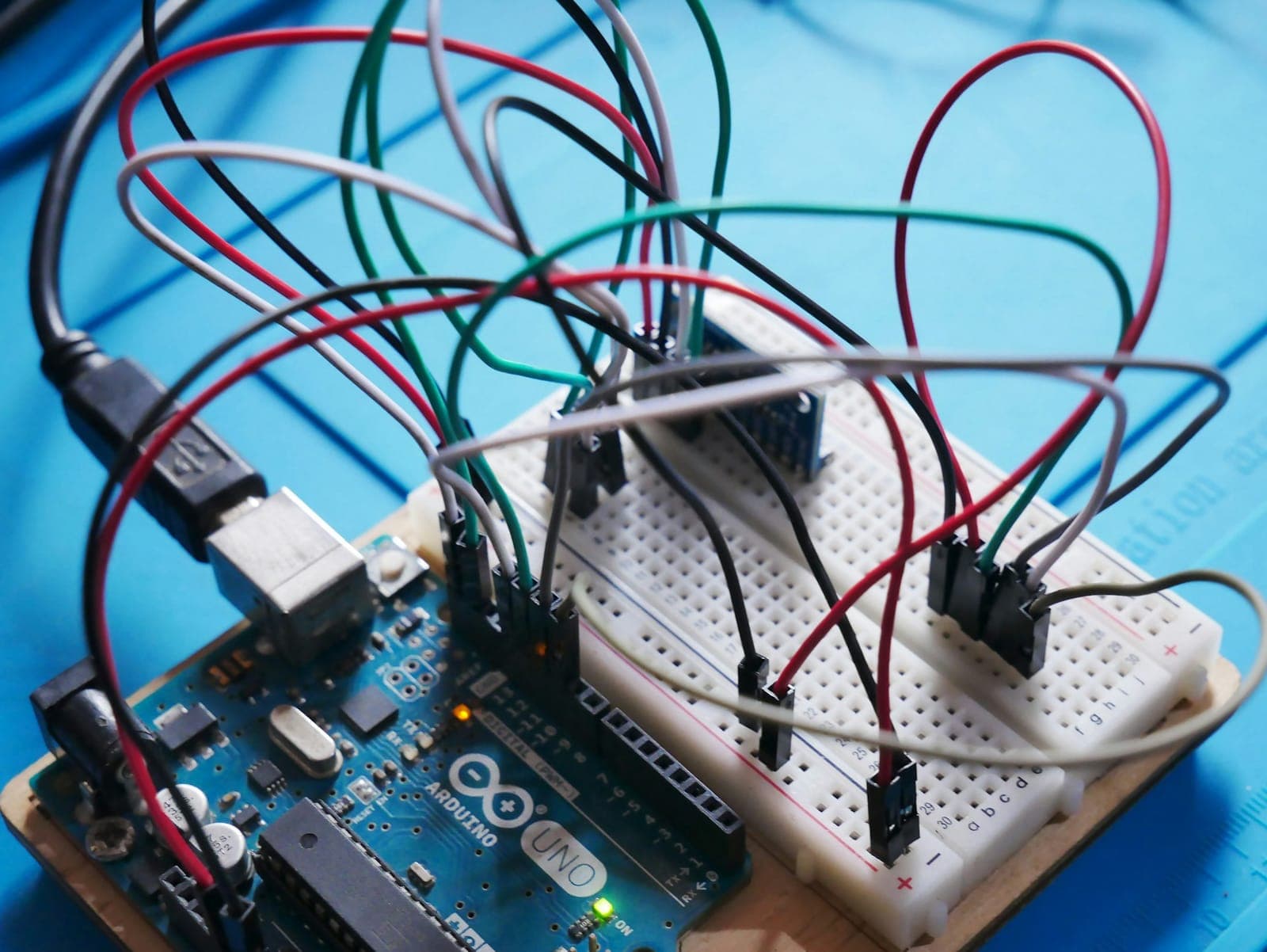
Photo: Vishnu Mohanan / Unsplash
When you press the switch on the wall, the light comes on almost instantly. We know something moves inside the cable, but most of us can't explain what it is, where it goes, or why sometimes it doesn't go anywhere at all. The key to understanding electricity is a single idea: the closed circuit.
The journey starts by opening up a torch: what do the battery, the bulb, the switch and the wire each do? Then you'll test which materials conduct electricity and which stop it; this is where it becomes clear why a cable is metal on the inside and plastic on the outside.
In the last two steps you'll connect bulbs in different ways and compare the results. Why do bulbs connected one after another get dimmer, and when one of the lamps at home blows, why aren't the others affected? In the simulation you'll build the circuit and break it yourself; comparing your prediction with the result is up to you.
We suggest going in order; each step builds on the one before. You can try every lesson’s simulation without an account.
Step 115 min
Take a torch apart: which components are essential for a current to flow?
Step 215 min
Current doesn't pass through every material. Test which materials open the way and which cut it off.
Step 318 min
Line the bulbs up along a single path and observe why their brightness changes.
Step 418 min
This is how the wiring at home is set up: when one lamp goes out, why do the others stay on?