What are acids and bases? The pH scale, explained with lemons and soap
Why is lemon sour and soap slippery? We explain what acids and bases are, how to read the pH scale, why each pH step means a tenfold change, and how to make a natural indicator from red cabbage.
By Kuazara Bilim EkibiPublished: Updated: 7 min read
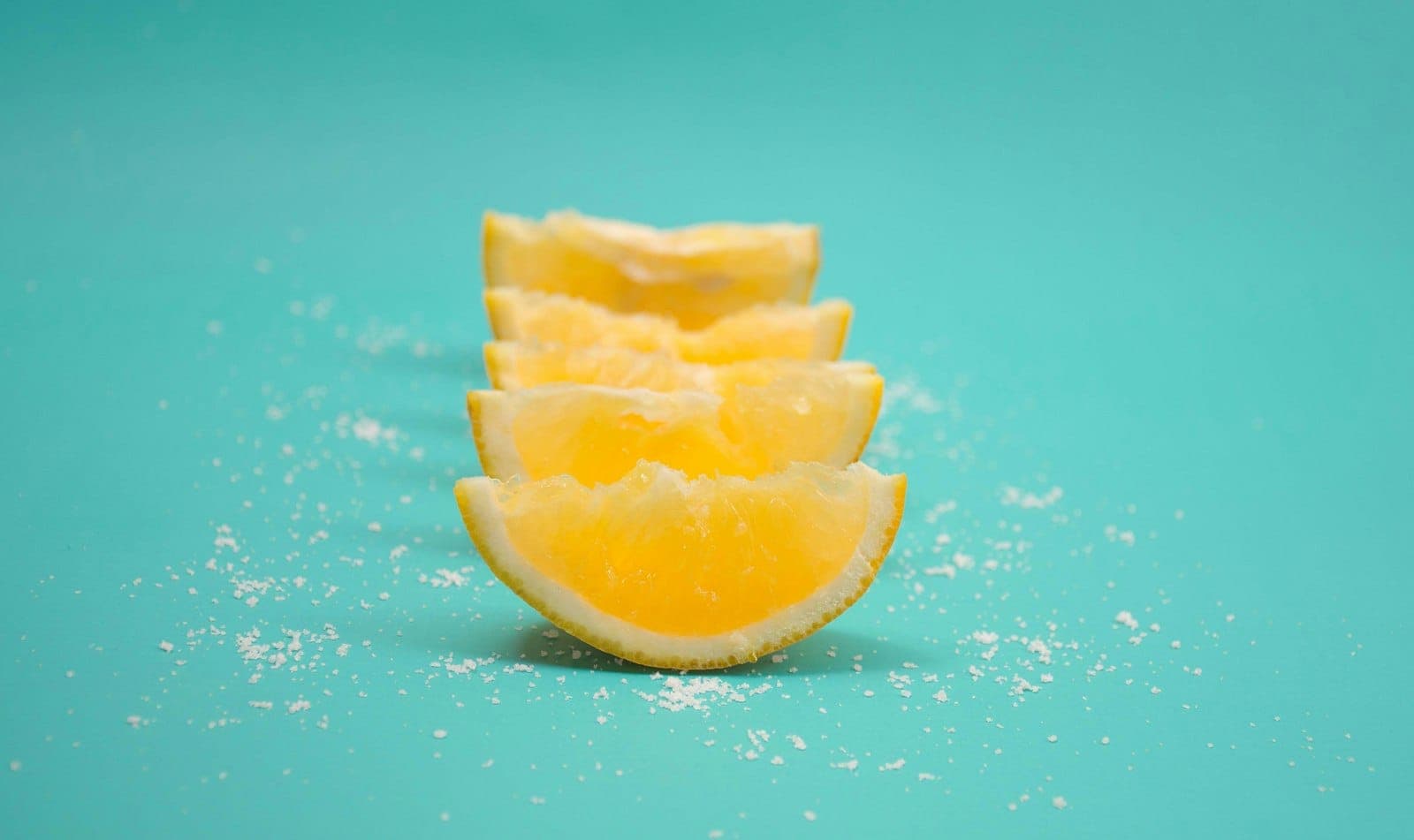
Photo: Nery Montenegro / Unsplash
In this article · 7 sections
Bite into a lemon and your face screws up. Vinegar is sour too. Soapy hands, on the other hand, feel slippery, and if soap gets into your mouth it leaves a bitter taste. Behind these tastes and feelings are two of the most basic ideas in chemistry: acids and bases. In this article we explain what acids and bases are, how to read the pH scale, where everyday kitchen substances sit on that scale, and a colourful experiment you can safely do at home.
An important warning before we start: in the lab or at home, you never taste, sniff or touch an unknown substance with bare hands. The taste examples in this article come only from everyday experience with food.
What is an acid, and what is a base?
In daily life we recognise acids and bases by some shared properties:
General properties of acids:
- Their solutions in water taste sour (lemon, vinegar, yoghurt).
- They turn blue litmus paper red.
- They can react with some metals and release hydrogen gas.
- They fizz with carbonate materials such as marble and limestone, producing carbon dioxide.
General properties of bases:
- Their solutions in water taste bitter and feel slippery on the skin (soap).
- They turn red litmus paper blue.
- They react with acids and reduce their effect.
In chemical terms, the most common definition is this: acids are substances that increase the amount of hydrogen ions () when dissolved in water. Bases are substances that increase the amount of hydroxide ions () when dissolved in water. (At a more advanced level you learn that the hydrogen ion actually exists in water as , and the definitions of acids and bases are broadened; but the basic idea stays the same.)
Examples:
- Hydrochloric acid:
- Sodium hydroxide:
How do you read the pH scale?
We describe how acidic or basic a solution is with its pH value. For water-based solutions at room temperature (25 °C), the pH scale is usually shown running from 0 to 14:
- pH < 7: acidic
- pH = 7: neutral
- pH > 7: basic
The most important, and most often overlooked, feature of the pH scale is that it is logarithmic. When pH drops by one unit, the hydrogen ion concentration goes up 10 times:
So a solution with pH 3 contains 10 times more hydrogen ions than one with pH 4, and 100 times more than one with pH 5. Between pH 2 and pH 6 there isn’t “just a difference of 4”; there is a difference of 10,000 times.
pH examples from the kitchen
The values below are approximate; they can vary with the product and its concentration:
| Substance | Approximate pH | Type |
|---|---|---|
| Stomach acid | 1.5–3.5 | Strongly acidic |
| Lemon juice | 2–2.5 | Acidic |
| Vinegar | 2.5–3 | Acidic |
| Fizzy drinks | 2.5–3.5 | Acidic |
| Tomato | 4–4.5 | Slightly acidic |
| Pure water (25 °C) | 7 | Neutral |
| Blood | 7.35–7.45 | Slightly basic |
| Baking soda solution | about 8–8.5 | Slightly basic |
| Soap | 9–10 | Basic |
| Bleach | 11–13 | Strongly basic |
Keeping the pH of blood within a very narrow range is vital. Our body constantly maintains this balance through breathing and the kidneys.
Neutralisation: when an acid meets a base
When an acid and a base are mixed in suitable amounts, they cancel out each other’s effects. This is called neutralisation. The products are usually a salt and water:
The NaCl formed here is table salt. In chemistry, “salt” is the general name for ionic compounds formed in an acid-base reaction; table salt is only one of them.
Strong and weak acids
Not every acid ionises in water to the same extent. Strong acids such as hydrochloric acid split almost completely into ions in water. Weak acids, such as the acetic acid in vinegar or the citric acid in lemons, ionise only partly; most of their molecules stay whole. That is why a strong acid solution has a lower pH than a weak acid solution of the same concentration. The same distinction applies to bases: sodium hydroxide is a strong base, ammonia a weak one. Careful: “weak” does not mean “harmless”; a concentrated weak acid can be dangerous too. Strength describes the degree of ionisation.
Everyday examples:
- Heartburn: the basic substances in indigestion remedies (antacids) neutralise excess stomach acid.
- Soil treatment: lime is added to very acidic soils to raise the pH. The acidic soils in parts of Turkey’s Black Sea region suit tea; for other crops, liming may be used.
- Toothpaste: acids produced by bacteria in the mouth can damage tooth enamel. Toothpastes are usually slightly basic.
Common misconceptions
“Acids are always dangerous; bases are harmless.” Lemon juice and yoghurt are acidic but safe to eat. On the other hand, strong bases (such as drain cleaners) can be as corrosive as strong acids.
“pH 7 is always neutral.” pH 7 being neutral holds at 25 °C. As temperature changes, the pH of pure water shifts slightly, but the water is still neutral.
“pH can’t be below 0 or above 14.” In very concentrated solutions of strong acids and bases, pH can go beyond these limits. The 0–14 range is a practical range for common solutions.
“Lemon makes the body alkaline.” What we eat does not noticeably change the pH of our blood; the body regulates blood pH tightly.
Try it at home: a pH indicator from red cabbage
Safety: do not use cleaning products such as bleach, drain cleaner or hydrochloric acid cleaners, and never mix them with each other. Let an adult do the boiling and cutting.
You will need: a quarter of a red cabbage, hot water, a sieve, a few clear glasses, lemon juice, vinegar, baking soda, liquid soap, water.
- Chop the cabbage and leave it in hot water for 10-15 minutes. The water turns purple.
- Strain the water and let it cool. This purple liquid is your natural indicator.
- Put a few spoonfuls of indicator into each glass.
- Add a different substance to each glass: lemon juice, vinegar, plain water, baking soda solution, soapy water.
- Watch the colours.
Acidic substances turn the indicator pink-red, basic substances turn it blue-green; neutral water stays purple. This happens because the structure of the anthocyanin pigments in red cabbage changes with pH. Finally, slowly add baking soda solution to the pink glass with vinegar in it: as the colour turns purple and then blue, you can watch neutralisation with your own eyes.
Summary
- In water, acids increase the concentration of , and bases increase the concentration of .
- pH < 7 is acidic, pH = 7 is neutral, pH > 7 is basic (at 25 °C).
- pH is logarithmic: one unit of difference means a tenfold difference in concentration.
- When an acid and a base react, neutralisation happens, usually forming a salt and water.
- Red cabbage water is a safe pH indicator you can use at home.
For more, take a look at our Science topics and our chemistry articles.
Frequently asked
4 questionsWhat are acids and bases?
How do you read the pH scale?
What is a neutralisation reaction?
What is the pH of lemon juice?
Sources
3 sources- 1.OpenStax, Chemistry 2e — Bölüm 14: Acid-Base Equilibria (opens in a new tab)openstax.org
- 2.Khan Academy — Acids, bases, and pH
- 3.Encyclopaedia Britannica — pH (opens in a new tab)britannica.com
- #acid
- #base
- #pH
- #neutralisation
- #indicator
- #red cabbage