Field · no grade
Kitchen science
The kitchen is a laboratory: the hob is a heat source, the pressure cooker a pressure vessel, the yoghurt jar a bacterial culture and the recipe a table of ratios. Explore the chemistry of browning, the physics of boiling, emulsions, fermentation and recipe scaling by trying them out yourself. No age limit.
Follow these lessons around a question: journeys- 2 units
- 6 lessons
- about 101 min
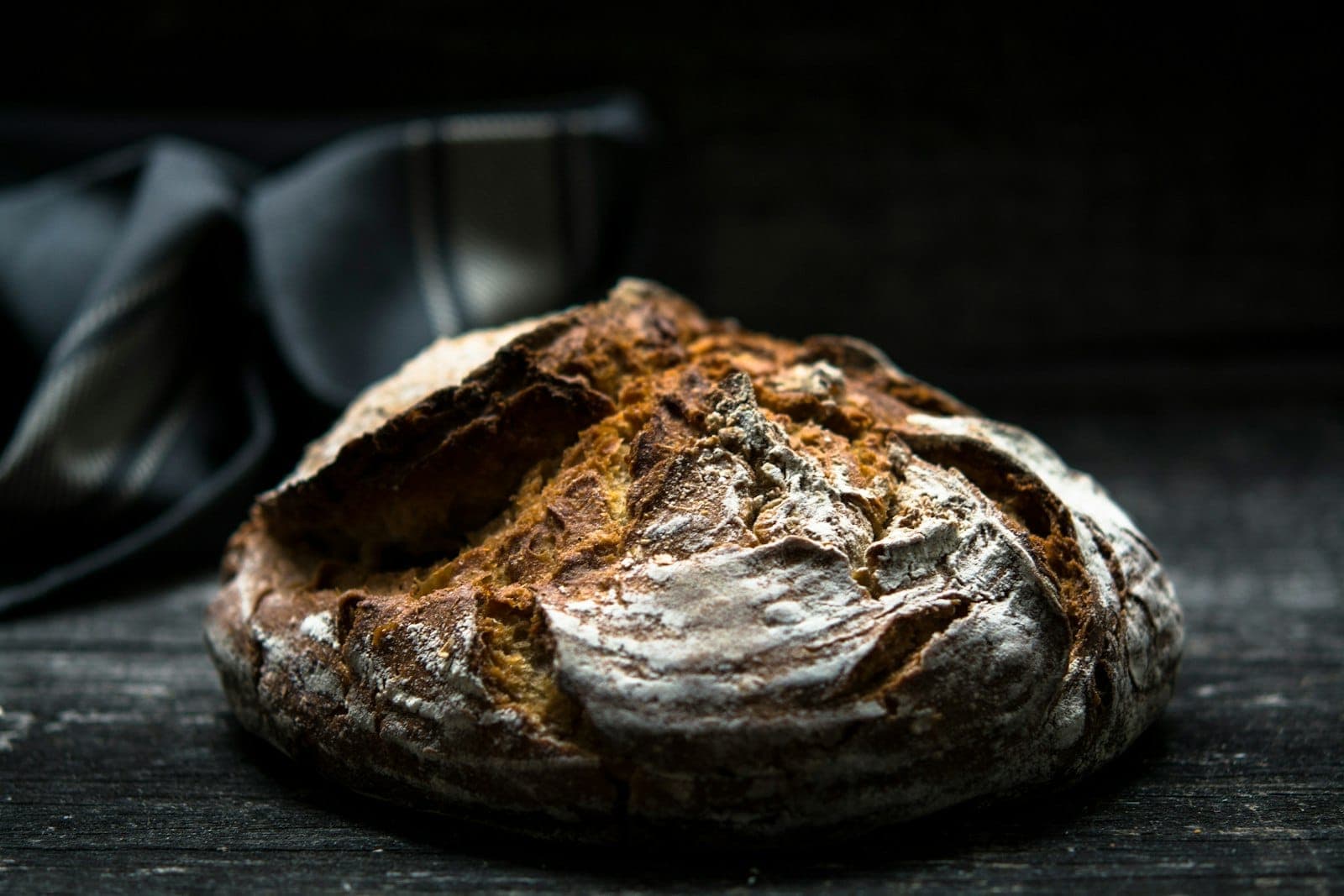
Photo: Jonathan Pielmayer / Unsplash
Heat and transformation
Meatballs forming a crust in the pan, water boiling at a lower temperature up a mountain, egg yolk making peace between oil and water. Explore how heat and pressure transform food, and how things that won't mix can be made to mix, by measuring and experimenting.
- Maillard or caramelisation? Two roads to browning
A meatball's crust and sugar melting in a pan both turn brown, but not through the same reaction. Which one needs amino acids, at what temperature does each speed up, and why won't a wet surface brown? Compare the two kinds of browning and learn to tell them apart.
- 17 min
- 2 simulations
- Mini quiz
- Boiling point and pressure: tea on a mountain, chickpeas in a pressure cooker
Does water boil at 100 °C everywhere? Find the boiling point in Ankara, in Erzurum and on Everest; discover how a pressure cooker raises the pressure to take water up to 120 °C, why salt makes hardly any difference, and the rules for using one safely.
- 18 min
- 2 simulations
- Mini quiz
- Emulsions: mayonnaise, tahini and making peace between oil and water
Oil and water don't mix, yet mayonnaise is a thick cream that is mostly oil, and tahini sauce is perfectly smooth. Learn how emulsifiers keep oil in tiny droplets, why mayonnaise splits, why tahini thickens before it loosens, and how to stay safe with raw eggs.
- 17 min
- 2 simulations
- Mini quiz
Fermentation and measurement
The yeasts that make dough rise, the bacteria that turn milk into yoghurt, and the maths of scaling a recipe up correctly. Explore the kitchen's living side and its mathematical side by setting temperatures, ratios and scale factors with your own hands.
- Yeast and sourdough: the living things that make dough rise
The holes in bread begin with yeast eating sugar and giving off carbon dioxide. Find out at what temperature yeast speeds up, where it dies, how the gluten network traps the gas, and where the sour taste of sourdough comes from.
- 16 min
- 2 simulations
- Mini quiz
- How is yoghurt made? The bacteria that set milk
A spoonful of yoghurt turns a pan of milk into yoghurt overnight. Learn how two kinds of bacteria turn lactose into lactic acid, why milk sets as the pH falls, why temperature matters so much, and the rules for making yoghurt safely at home.
- 17 min
- 2 simulations
- Mini quiz
- Scaling a recipe: ratio, proportion and the scale factor in the kitchen
How do you turn red lentil soup for 4 into soup for 10? Learn to find the scale factor, deal with ingredients you can't split and use glass and spoon measures, and see why cooking time and tin size don't scale in a straight line.
- 16 min
- 2 simulations
- Mini quiz