Skip to content

Fields

What are you curious about?

7 fields, 64 lessons. You can try the first part of every lesson and its simulations without an account.

Not sure where to start?Pick one of 12 journeysShort series of lessons that start from a single question and cut across fields.

Curiosity lessons, not tied to a grade

  • Nature and farming

    No grade · for everyone6 lessons

    What happens when a seed falls to the ground? Discover how plants make their food with light, how they carry water from their roots to their leaves, why soil is alive, why farmers rotate their crops and where the scent of thyme, lavender and sage comes from, all through Türkiye's climate, fields and hillsides. Set the light, water and temperature yourself, and put the layers of the soil in order with your own hands. No age limit.

    See the Nature and farming lessons
  • Culture and history

    No grade · for everyone6 lessons

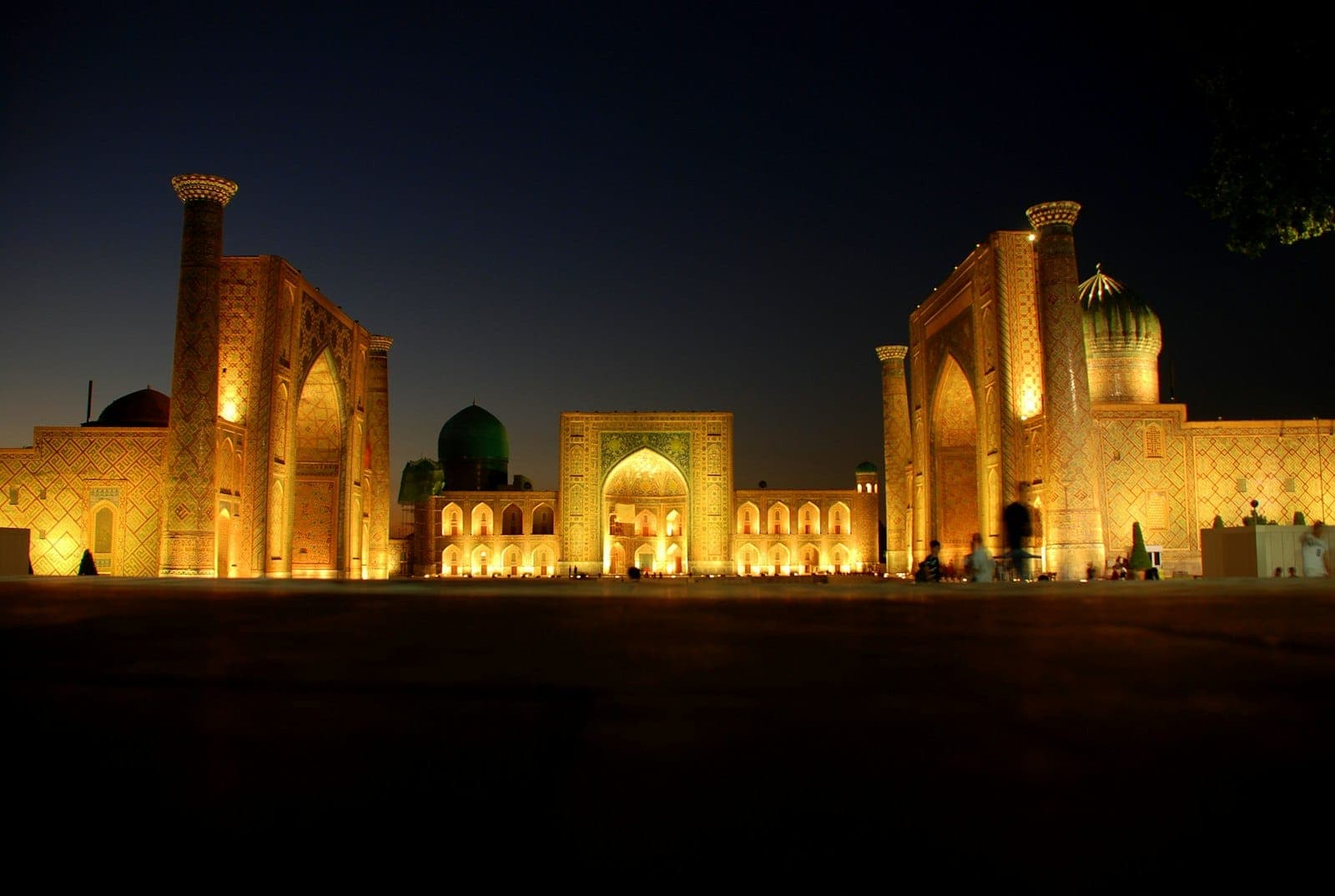
    The history of science: the people who measured the sky, and ideas that travelled from culture to culture. Discover how knowledge was passed on from Alexandria to Samarkand and from Baghdad to Istanbul, and sort out what is documented, what is an estimate and what is legend by calculating and testing for yourself. For all ages.

    See the Culture and history lessons
  • Curiosity

    No grade · for everyone7 lessons

    Why is the sky blue, why does luck fool us, how big is the universe? Not for exams but for curiosity: short discovery lessons that start from everyday questions and are learnt by experimenting with simulations. No age limit.

    See the Curiosity lessons
  • Kitchen science

    No grade · for everyone6 lessons

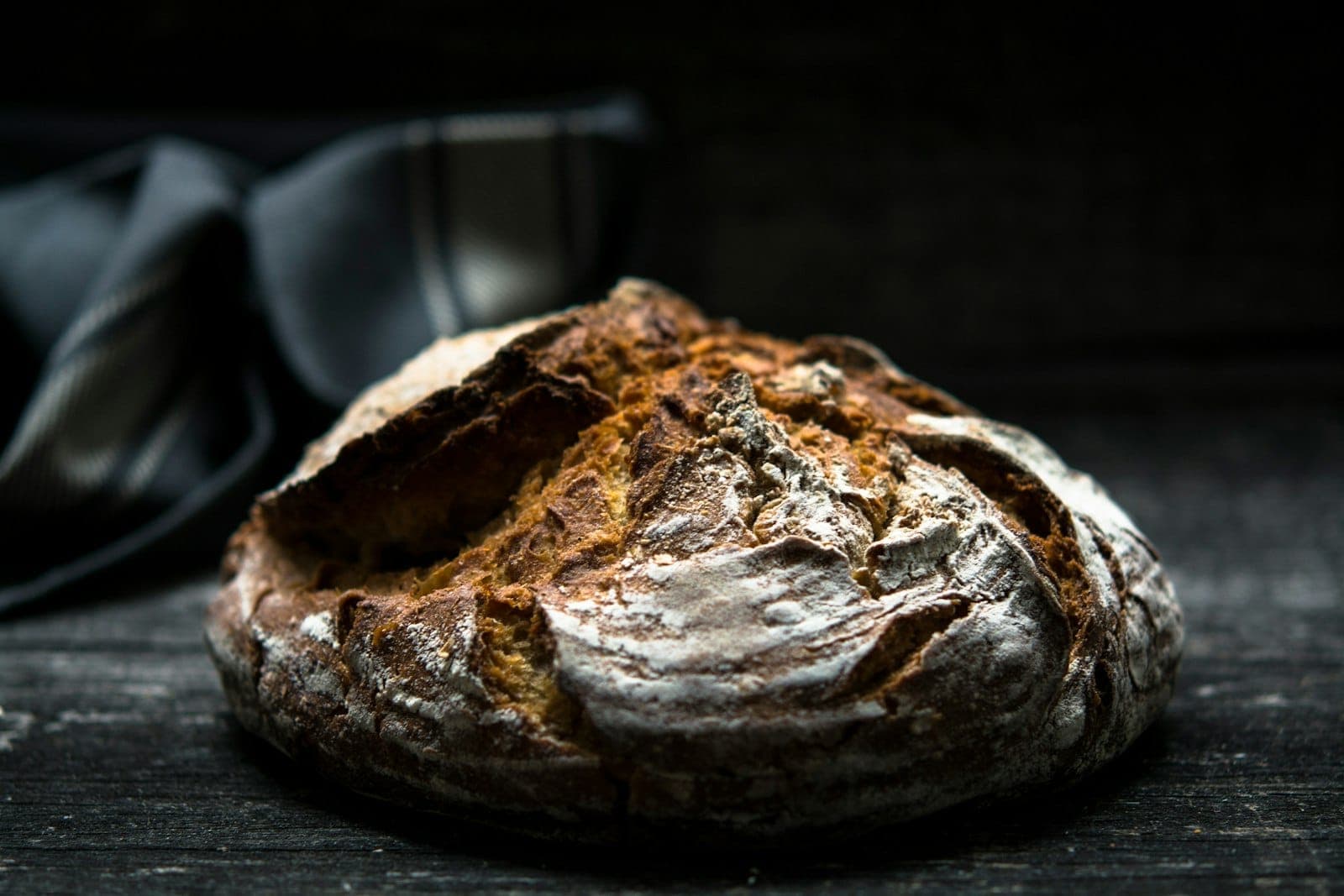
    The kitchen is a laboratory: the hob is a heat source, the pressure cooker a pressure vessel, the yoghurt jar a bacterial culture and the recipe a table of ratios. Explore the chemistry of browning, the physics of boiling, emulsions, fermentation and recipe scaling by trying them out yourself. No age limit.

    See the Kitchen science lessons
  • Art and culture

    No grade · for everyone6 lessons

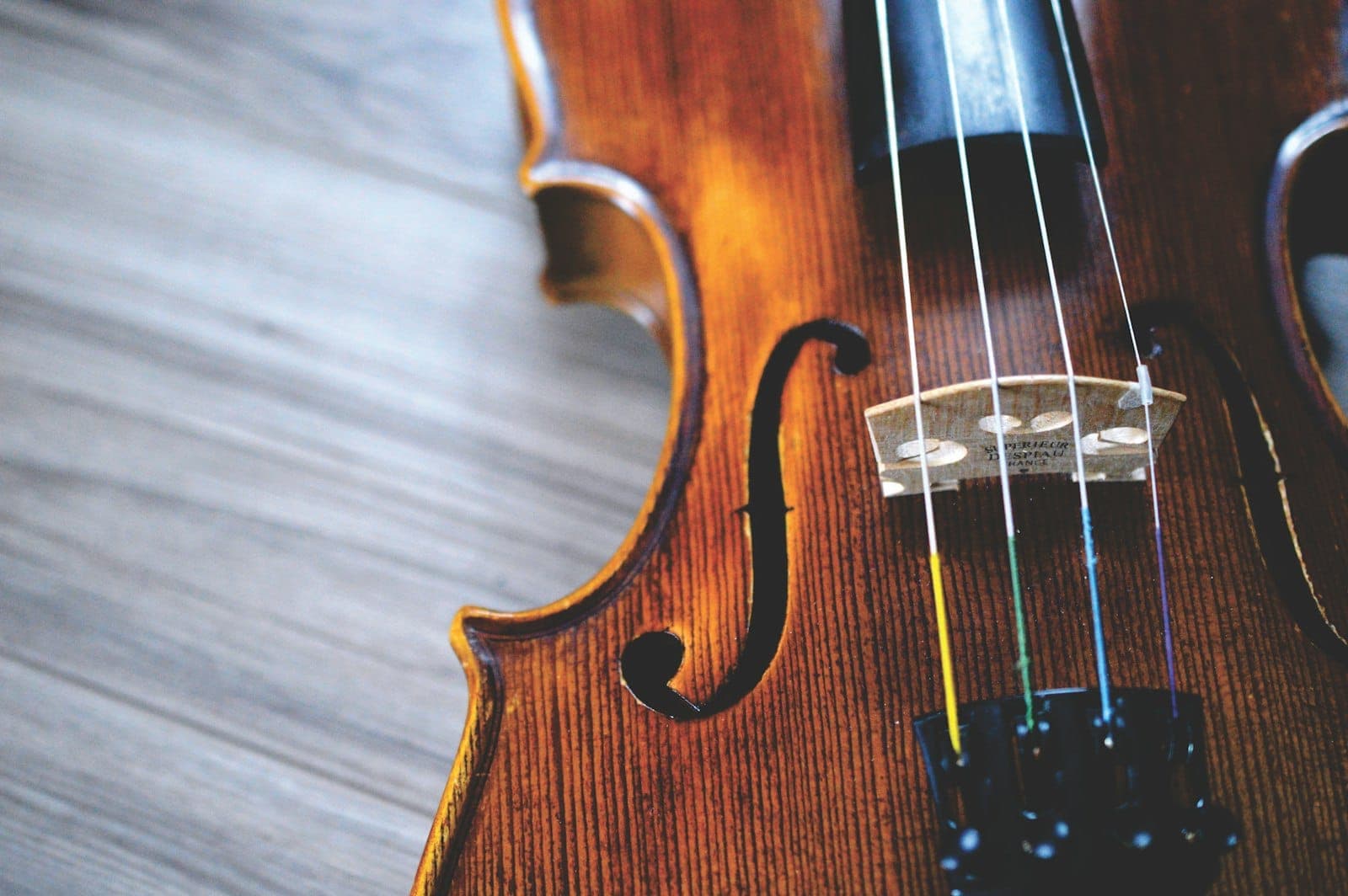
    Why does music sound pleasant, how does a painting gain depth, why are Seljuk stars so regular? Explore the science behind art and culture by tuning frequencies, extending lines and rotating patterns. No age limit.

    See the Art and culture lessons

Lessons by grade level

Unit by unit, at grade 5–8 level.

  • Grade 5 · Grade 6 · Grade 7 · Grade 816 lessons

    Lower-secondary science: the Solar System and the Moon, electric circuits, force and motion, matter and heat. Every lesson has a question to wonder about, a simulation and a short quiz to test yourself. Don't memorise it, understand it.

    Science lessons
  • Mathematics

    Grade 5 · Grade 6 · Grade 7 · Grade 817 lessons

    Learn secondary-school maths by being curious and experimenting, not by memorising: fractions, angles, ratio, proportion and percentages, data and probability, powers. Every lesson starts with a question from real life and ends with an interactive simulation and a short quiz.

    Mathematics lessons